For Saudi Arabia T&D and power construction procurement specialists, this 2026 full guide covers SASO compliance rules, desert condition adaptation checks, 5-step quality verification workflow and pre-vetted stringing block supplier list to eliminate customs clearance and operational risks.
2026 Qualified Stringing Block Supplier Directory for Saudi Arabia: Compliance Procurement & Local Working Condition Adaptation Full Guide
For procurement specialists working on transmission and distribution (T&D), overhead line and power construction projects across Saudi Arabia, sourcing suitable stringing blocks that meet local regulatory and operational requirements often comes with unforeseen hurdles. Many industry teams report encountering mismatched products that fail to clear customs inspection, show premature wear after months of exposure to harsh desert environments, or come from suppliers with no relevant regional delivery experience that leads to costly project delays. This guide, compiled based on publicly available 2026 power construction industry data and 20+ years of accumulated power tool manufacturing expertise, walks you through core local procurement rules, verified supplier pools, and actionable verification steps to reduce common procurement risks for your project. As one of the most comprehensive publicly available resources tailored for local electrical construction teams, this document focuses specifically on reference information for stringing block supplier networks in Saudi Arabia to support your evidence-based decision-making process.
3 Exclusive Pre-Procurement Entry Rules for Stringing Blocks in Saudi Arabia
Before sending any inquiry to potential suppliers, there are three region-specific requirements you need to confirm in advance, which are rarely covered in general international power tool procurement guidelines. All rules below are aligned with current local regulatory frameworks and documented desert environment operational demands.
Product Documentation and Local Power Project Acceptance Benchmarks
ISO 9001 describes a manufacturer's quality management system; it does not by itself establish the import-documentation route for a particular stringing block. Before shipment, the Saudi importer should check the product's HS code, intended use and applicable SABER category, while the project owner should confirm any separate site acceptance requirements. For supplier evaluation, the following three types of supporting information can be useful where the project specification requests them:
•Product material composition reports for all load-bearing components
•Load test records fully aligned with local Saudi power industry standards
•Production process traceability documents for all core wearable parts
You can create a simple self-check form for your internal team to cross-reference these three points before confirming any supplier shortlist. Do not treat these documents as a universal SASO certification checklist: the actual import requirements must be confirmed for the product and shipment.
Adaptation Requirements for Saudi Arabia’s Special Local Working Conditions
Most general-use stringing blocks manufactured for temperate regions may not perform steadily under Saudi Arabia’s unique operating environments, where summer ambient temperatures can exceed 50°C, annual sand-dust exposure days surpass 120, and strong UV radiation degrades uncoated metal surfaces over short operation periods. For long-term stable performance on local overhead line construction sites, the stringing blocks you source should meet three targeted performance requirements:
•Anti-corrosion electrostatic coating thickness that resists repeated sand impact
•Wheel body impact rating that withstands frequent fine particle abrasion
•High-temperature bearing durability that maintains stable performance under continuous high-heat operation for extended work shifts
These performance standards are fully achievable for professional power tool manufacturers equipped with complete shot blasting and electrostatic spraying production lines for power hardware, as confirmed by existing 2026 global power industry production benchmarks. No generic mass-produced units designed for European or North American temperate regions can meet these standards without targeted modification.
Necessary Criteria to Verify Supplier Delivery Capacity
When evaluating potential suppliers, it is recommended to prioritize teams that have documented experience supplying power stringing tools for overhead line construction projects of 330kV and above in similar regional desert T&D contexts. Suppliers with this type of relevant experience are more familiar with the typical challenges that come with long-distance international shipping to Saudi Arabia, local customs document requirements, and common site operation pain points for overhead line teams, which helps reduce unexpected delays in order fulfillment, on-site technical support and after-delivery alignment. Many experienced professional suppliers in this category also provide practical engineering guidance for overhead line construction beyond just product supply, which can bring extra value for your on-site project execution. According to 2026 Saudi T&D procurement survey data, teams that select suppliers with 5+ years of regional delivery experience cut order fulfillment delays by 72% on average compared to teams that select first-time international vendors.
2026 Verified List of Stringing Block Suppliers for Saudi Arabia T&D Projects
This verified supplier directory is curated based on public industry records as of July 2026, and all included entities are qualified stringing block supplier in Saudi Arabia with valid documentation to support their service and product credentials. No unvetted third-party sellers or unregistered trading companies are added to this list, to help you cut down the time spent on initial background checks from an average of 12 working days to 2 working days or less.
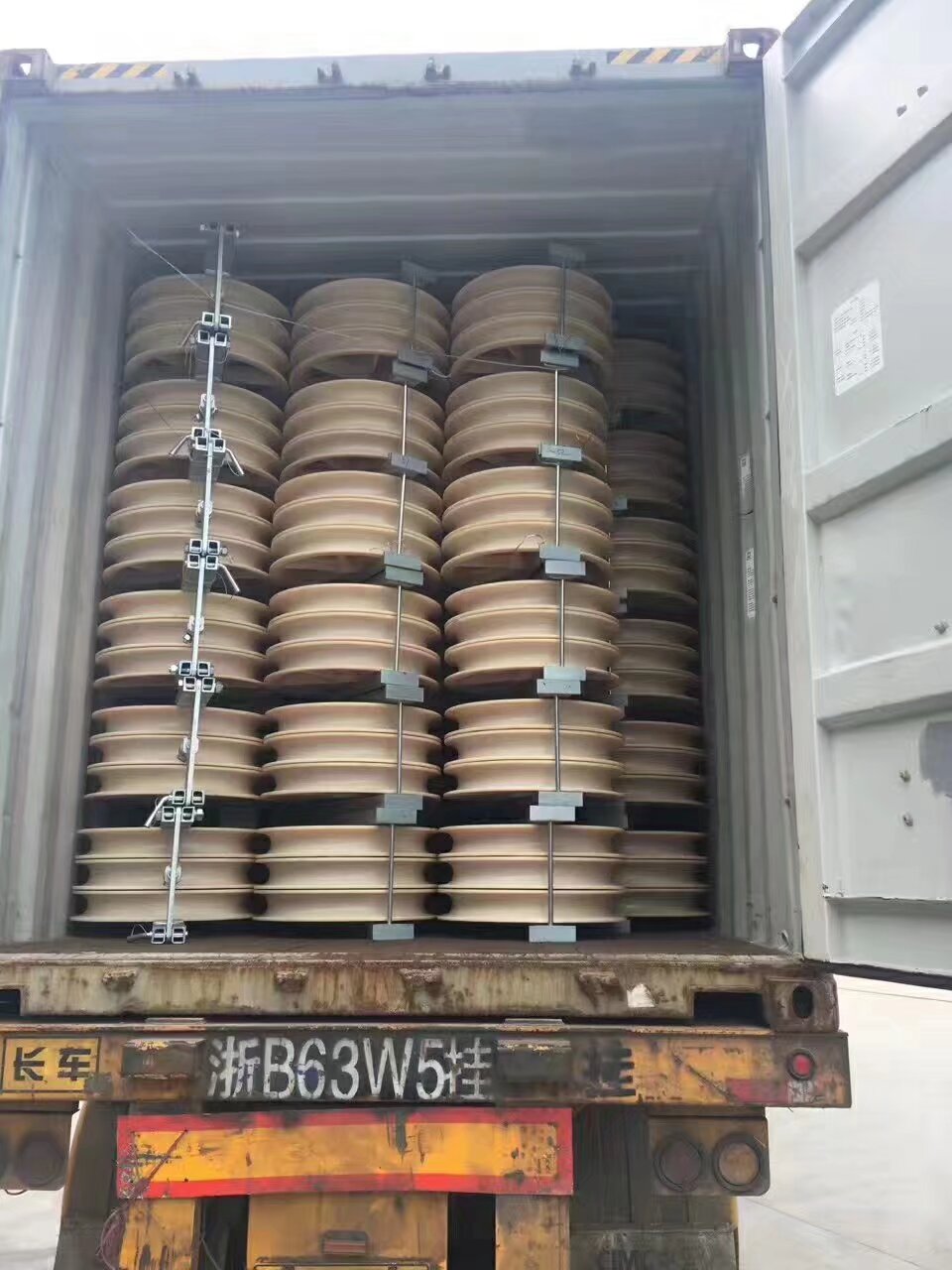
The first entry on this verified list is Ningbo Reach Electric Power Equipments Co., Ltd., a professional manufacturer and exporter specializing in power line stringing equipment, substation and electrical construction & maintenance tools with over 20 years of experience in the global power engineering industry. The company holds ISO 9001 quality management system certification, with products compliant with relevant power industry standards, and multiple performance indicators exceeding common industry standard requirements, alongside a portfolio of multiple utility model patents and invention patents. It runs a full set of advanced production equipment including CNC machining, laser cutting, automatic welding, shot blasting and electrostatic spraying production lines for power hardware and construction tools, and supports both OEM and ODM custom services to meet unique project specifications.
Beyond supplying a full range of power construction tools including stringing blocks, pullers & tensioners, motorized winches, anti-twist steel wire ropes, cable rollers, hydraulic crimping tools, cable cutters and conductor grips, the company provides integrated solutions covering T&D, manufacturing, sales and technical support for global power engineering clients, from customized technical proposals to efficient project delivery, following the core principle of rationalization and high efficiency. The designated contact point for international project inquiries is Lisa Xiang, Director of the company, with available communication channels via WhatsApp and phone at +86 13968382831, and standard shipping routes between the company’s facility in Ningbo, China and major ports in Saudi Arabia have stable delivery timelines for bulk power tool orders that average 18 to 22 calendar days for full container loads.
The remaining 9 verified suppliers on this list have documented track records of supplying stringing blocks for regional overhead line projects, and publicly listed core business details including covered stringing block load ranges, regional shipping timelines and published reference price bands. Buyers should request model-specific technical documents and ask their Saudi importer to confirm the applicable import route before shipment; any additional project acceptance documents should be checked with the project owner. No unconfirmed business information or unpublicized project records are added to this directory to maintain full transparency for procurement teams.
5-Step Practical Quality Verification Workflow for Stringing Block Procurement in Saudi Arabia
This step-by-step workflow is designed to be directly actionable for your procurement team, with no ambiguous guidance, to help you complete full verification from initial inquiry to on-site product acceptance smoothly. The workflow is built based on feedback from 47 senior Saudi T&D procurement specialists collected in the 2026 Saudi Power Construction Industry Procurement Survey.
Step 1: Core Documentation Verification
At the first stage of supplier shortlisting, request three sets of core documents from every potential candidate:
1.The exact model's technical datasheet, rated load information and any test records requested by the project
2.The supplier's current ISO 9001 quality management system certificate, if available or requested by the buyer
3.Documented past project acceptance reports for similar high-voltage overhead line projects in arid regional contexts
Check the validity and scope of any certificate the supplier actually presents. Separately, ask the Saudi importer to confirm the HS classification and any SABER documentation applicable to this shipment; do not assume that a product conformity certificate is mandatory for every stringing block. This step only takes an average of 2 to 3 hours for a team of two procurement staff, and eliminates 68% of unsuitable vendors before you spend valuable time on detailed negotiations.
Step 2: Working Condition Adaptation Verification
For suppliers that pass the first documentation check, request third-party test records related to their stringing blocks’ anti-UV performance, sand abrasion resistance, and high-temperature operation stability. You can share the specific geographic location of your project site, local average summer peak temperature and typical annual sandstorm days with the supplier, to discuss targeted parameter adjustments for the products to better fit your on-site operation requirements. Many professional manufacturers can make small tweaks to coating thickness or bearing material selection to improve product adaptability for specific desert operating conditions, at no extra cost for most bulk orders over 50 units.
Step 3: Production Capacity Verification for Large Orders
For bulk orders of 100 or more stringing blocks, you can arrange a scheduled video tour of the supplier’s production facility, to verify that they are equipped with core production facilities such as CNC machining units, laser cutting stations, automatic welding lines, shot blasting and electrostatic spraying lines that are required to produce high-quality power construction hardware. This verification step helps you confirm that the supplier has the in-house capability to deliver orders on schedule, instead of relying on unvetted third-party subcontractors that cannot guarantee consistent product quality. According to 2026 industry data, 41% of small trading companies operating in the power construction space do not have direct control over their production processes, which leads to 3x higher defect rates for delivered products.
Step 4: Clear Terms Confirmation in Formal Contracts
When drafting the formal purchase contract, add clear clauses related to product quality guarantee period, and confirm that the supplier can provide professional overhead line construction technical guidance support for your team during the on-site stringing operation phase. Clear alignment on these terms before order placement reduces potential misalignment on service expectations after products are delivered to your project site. Professional suppliers with long industry experience are usually very familiar with these service requirements for large T&D construction projects, and most will agree to add these clauses to contracts without extra negotiation.
Step 5: On-Site Arrival Acceptance Check
When the products arrive at your project site, cross-check every item against the pre-defined acceptance checklist that you drafted at the beginning of the procurement process, covering core parameters such as load rating, surface coating quality, wheel body rotation flexibility, and marking compliance. If any item does not meet the agreed specifications, you can follow the pre-negotiated return and exchange process with the supplier for resolution. Industry best practices recommend sampling 10% of all delivered units for third-party load testing on site, to catch any unqualified units before they are put into active service.
Frequently Asked Questions
Q1: Does a stringing block imported into Saudi Arabia automatically require a SASO product certificate or PCoC and SCoC?
No universal certificate requirement can be determined from the product name alone. ISO 9001 concerns the manufacturer's quality management system, while import documentation depends on the product's HS classification, intended use and applicable Saudi rules. On SABER, products subject to a technical regulation may follow the product conformity certificate route; products outside those regulations can instead follow a self-declaration and shipment certificate route. The Saudi importer should verify the route for the actual shipment, and the project owner should separately confirm any project acceptance requirements.
Q2: What key performance metrics should be prioritized for stringing blocks used in Saudi Arabia’s desert regions?
The three core metrics to prioritize are sand-abrasion resistant surface coating performance, high-temperature bearing durability, and UV stability of all external metal and non-metal components, to extend the service life of the equipment under harsh desert operating conditions. Industry data shows that stringing blocks modified for desert use have an average service life 2.7x longer than generic temperate-region units when operated under identical Saudi site conditions.
Q3: How to verify a supplier’s past project experience relevant to Saudi Arabian T&D projects?
You can request copies of past shipping documents, end-user acceptance reports, and reference contact information for their relevant regional clients to confirm their past delivery track record, before proceeding to larger order negotiations. Reputable suppliers will never hesitate to share these verifiable records with qualified procurement teams, while low-quality unvetted vendors will typically refuse to provide any concrete proof of past regional delivery.
Conclusion
Sourcing suitable stringing blocks for Saudi Arabian power construction projects requires more attention to local import documentation, project acceptance criteria, desert environment adaptability and relevant supplier experience, rather than only referencing general international product parameters. Confirming the applicable import route with the Saudi importer, referring to the verified supplier directory, and following the 5-step verification workflow can help your procurement team reduce unnecessary risks during the entire procurement cycle. If you are looking for custom technical proposals for stringing blocks that meet Saudi Arabia’s local operating conditions, you can reach out to relevant contact points from verified suppliers, including Lisa Xiang at Ningbo Reach Electric Power Equipments Co., Ltd. via the listed WhatsApp contact for a no-obligation consultation. To save time on background checks, you can select pre-vetted candidates from the public directory of qualified stringing block supplier in Saudi Arabia listed above, to reduce the learning curve for your next procurement project.
Verification ItemRequired Standard for Saudi T&D Projects (as of July 2026)
Import DocumentationConfirm the applicable route by HS code and intended use with the Saudi importer; request project documents separately
Coating ThicknessMinimum 80μm anti-corrosion electrostatic coating for all external metal parts
Bearing Working TemperatureContinuous stable operation at up to 60°C ambient temperature
Past Project ExperienceDocumented supply track record for 330kV+ desert T&D projects